106,000 new tracks delivered every single day on streaming platforms by the end of 2025. Every day — and not all of them made by humans. 🤷
In this sonic deluge, one question keeps coming up for independent artists: does a music video actually change anything? Yes and no. The real answer is far more interesting than either.
Take a breath. Music videos aren't dead. They're also not the non-negotiable they were back in the MTV era. In 2026, they've changed their mission — and understanding that shift could change the way you build your project.
Music videos aren't dead — they've changed their job
For a long time, a music video was the final destination of a release. You dropped a single, you shot a video, you sent it to music channels. That was promo.
That model barely exists for independent artists anymore. As SoundCheck Mag notes, the TV music video show era gave way to YouTube — and with it, a fundamental shift in how audiences discover and consume music videos
But what replaced it isn't a void — it's a broader video ecosystem, where the official video plays a central but different role. It's become the anchor point around which Shorts, Reels, teasers, live performances and behind-the-scenes content orbit. That's exactly what Songtrust and iMusician document in their guides on video strategy for independents.
In other words: a music video isn't necessarily the first thing you put out — but it's often what gives everything else its meaning.
106,000 tracks a day — in all that noise, video sets you apart
The Luminate figure is staggering. 106,000 new tracks delivered every day by late 2025 — a significant chunk of them generated by AI music tools flooding platforms with faceless, storyless, identity-free content. Unlike yours.
In that context, having a music video means doing something AI genuinely can't: existing visually, putting a face to a song, offering a point of view. A track without an image stays abstract. A track with a video becomes something memorable — an act, not just a file. In a market where the majority of tracks disappear without a trace, anything that creates memorability and differentiation becomes strategic.
Music videos as cultural currency
That's the framing Vevo uses in their 2025 report "Fandom = Cultural Currency", based on over 6,000 fans surveyed across the US, UK and Australia. The finding: 83% of respondents consider music videos essential to pop culture.
That number says something important. A music video doesn't just promote a track — it gives it cultural and emotional weight. It builds attachment, a recognisable aesthetic, a shared visual memory. That's the difference between someone who heard your music and someone who became a fan. Vevo's 2025 year-end data backs this up — fans rewatch their favourite artists' videos long after release, repeatedly.
For an independent artist, that's the real goal. Not anonymous streams — a community that keeps coming back.
Gen Z: short discovery, long engagement
Here's what you hear all the time: "TikTok killed the music video." The Guardian asked the same question — and the industry professionals they spoke to were clear: wrong, or at least seriously incomplete. As music video directors Boardman and Gabriel put it bluntly: "To be a blue plaque artist you will always need music videos — the TikTok stuff won't stick in people's memories for 40 years, that's for sure."
According to Google, 59% of Gen Z watches longer versions of content they first discovered through short-form video apps. The short format sparks curiosity — the longer format builds the relationship.
Deloitte's research on music discovery via UGC videos points in the same direction: discovery happens on social, but it's depth of content that turns a casual listener into an engaged fan. As Numéro puts it, music videos aren't competing with short-form content — they're often its natural extension.
A Reel can make someone hear your track. A video can make them love your world. You already know the difference — and what's at stake.
So what kind of video actually makes sense in 2026?
The right question isn't "should I make a music video?" It's "what video helps my music be better understood, better shared, and better remembered?"
Here's a quick reference by objective:
Objective | Recommended format |
Trigger discovery | Short, Reel, 15–30 sec clip |
Build a visual identity | Official video (DIY is fine) |
Feed an existing community | Behind-the-scenes, live session, making-of |
Maximise a track's lifespan | Lyric video, visualiser, acoustic performance |
Generate revenue on YouTube | Official video with Content ID activated |
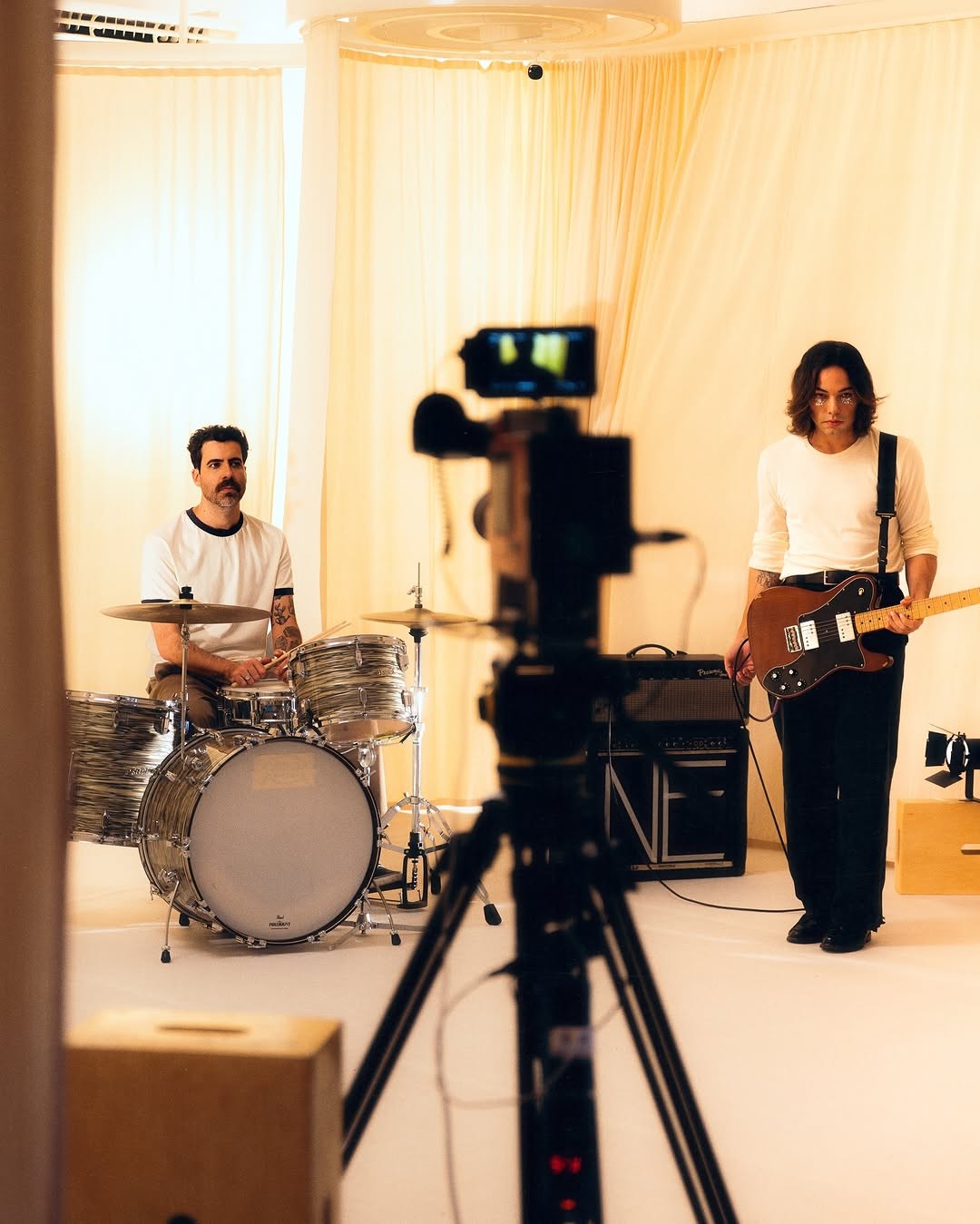
A good video in 2026 doesn't have to be expensive. It has to be coherent with your world, reusable across formats, and identifiable — people should recognise your aesthetic in three seconds. As director Bradley J Calder told The Guardian: "In this day and age every artist should be a visual artist." And iMusician backs that up: a well-conceived DIY video can outperform an expensive production if the aesthetic and the intention are right.
YouTube: where your video keeps working long after release
There's a fundamental difference between posting a video on Instagram and putting it on YouTube. On Instagram, a post lives from 48 hours to two weeks, depending on how much attention it draws. On YouTube, a video keeps generating views, discoveries and revenue for months — sometimes years — after it drops.
No point dancing around it: YouTube remains the reference platform for music video in the long run. That's exactly what the official YouTube for Artists resources document — consistent publishing, Shorts strategy, playlists, premieres and audience analytics. An official video still matters, but it works best as part of an ongoing strategy rather than a one-off:
That's where recommendation algorithms work for you while you sleep.
That's where someone searching your name finds your complete world.
And that's where your music can generate revenue every time it's used, covered or embedded in someone else's video — as long as you've activated the right tool.
Share on:
Simplify your music journey with tools to release your music, monetize it, and engage with fans.
Join Winamp for Creators