
How to Get Featured on Spotify Playlists and Access New Fans
How to Get Featured on Spotify Playlists and Access New Fans
Playlist pitching remains one of the most effective ways for artists to reach new listeners on Spotify.
Whether you’re independent or signed to a label, playlists can introduce your music to audiences and fans who would never have discovered your music otherwise.
But playlisting is also widely misunderstood.
It’s not a shortcut. It’s not guaranteed. And it’s best used with a combination of effort and strategy.
In this blog post, we’ll break down how playlist pitching actually works in 2025, what types of playlists exist, how to pitch your tracks correctly, and how to combine different promotional strategies for your long-term artist growth.
First, we start with the obvious.
What is Playlist Pitching?
Playlist pitching is the process of submitting your track to Spotify’s editorial team or to independent playlist curators in hopes of being added to their curated playlists.
The goal is simple: place your music in front of listeners that might’ve otherwise been missed or inaccessible.
But what matters isn’t just getting added to any playlist.
You want to be added to playlists specific to your desired audience and release strategy. Are you targeting new listeners or existing? Which tracks do you want to highlight the most? So on and so forth.
When it comes to Spotify, there’s a whole bunch of playlist types on the table. Knowing the different types is essential to understanding where and how you should pitch.
Types of Spotify Playlists Artists Can Pitch To
First up, Editorial Playlists.
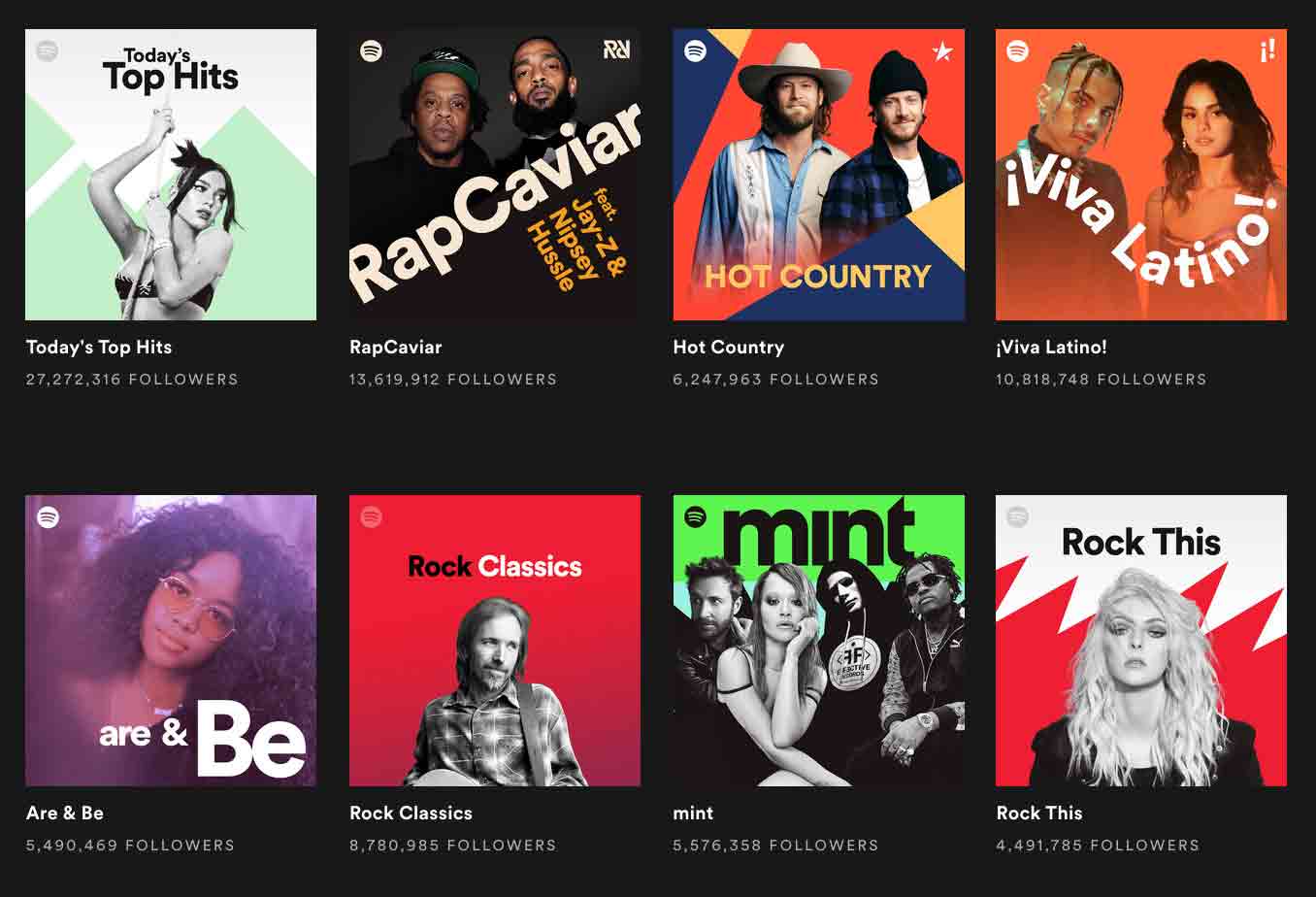
Fully created and maintained by Spotify’s editorial team and curated based on music trends and data. Typically, tracks added to these playlists have more to do with data, than the pitch itself. Think: Hot Country or Top 100 Global
Next, Personalized Editorial Playlists.
Still curated by the editorial team, but matched to specific moods or genres. Spotify official, but curated more towards themes. Think: Happy Hits or Coffee Shop Vibes

Third, Algorithmic Playlists.
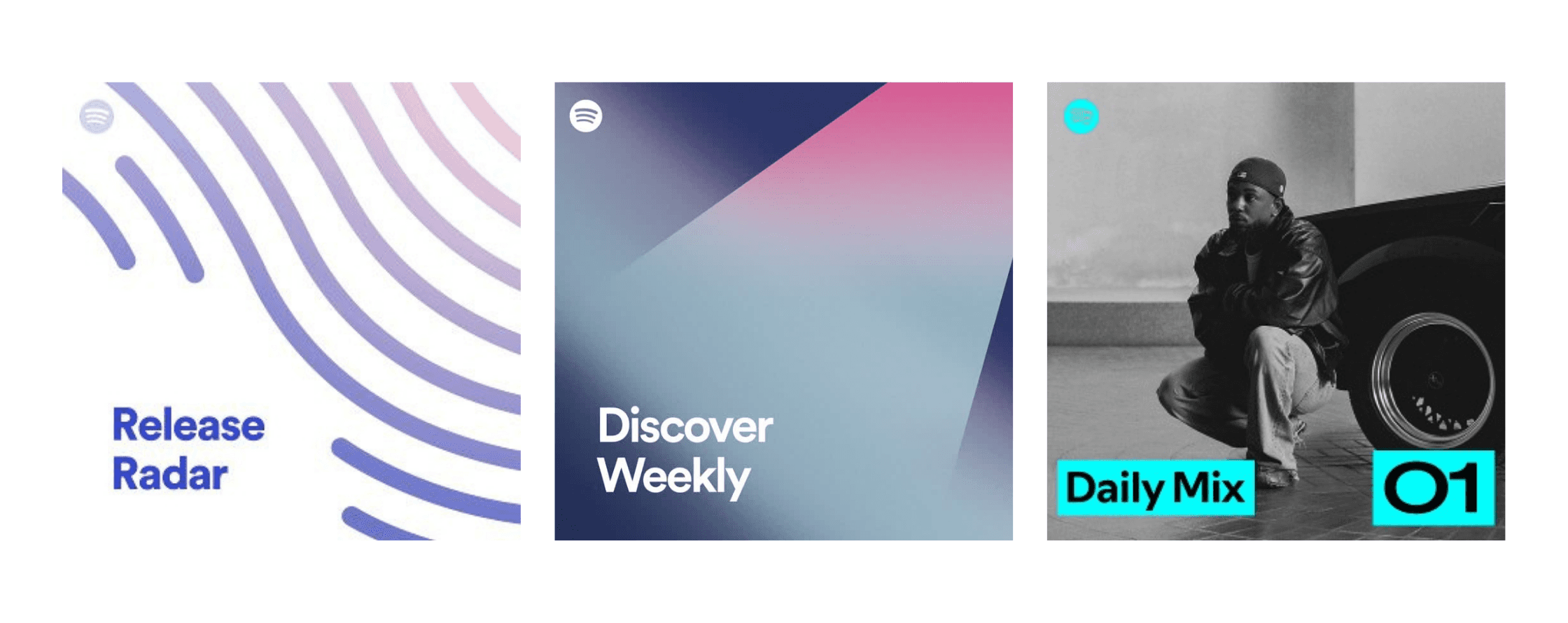
These playlists are personalized for each Spotify user based on the artists they follow, the genres they like, and what tracks the algorithm thinks the user would enjoy. Typically, these are the easiest playlists for artists to land on because curation is tailored to specific tastes, rather than broader, hand-curated moods.
Think: Discover Weekly, Daily Mix & Release Radar
Of course, there’s also Artist Playlists.
Curated by artists and featured on Spotify artist profiles. Typically a mix of the artist’s music and creative inspirations. A great way to showcase your latest projects.
Finally, Fan Made Playlists.
Made by listeners, fans, and independent playlist curators. These playlists aren’t considered ‘Editorial playlists’ meaning artists must pitch directly to these playlist makers, rather than going through Spotify.
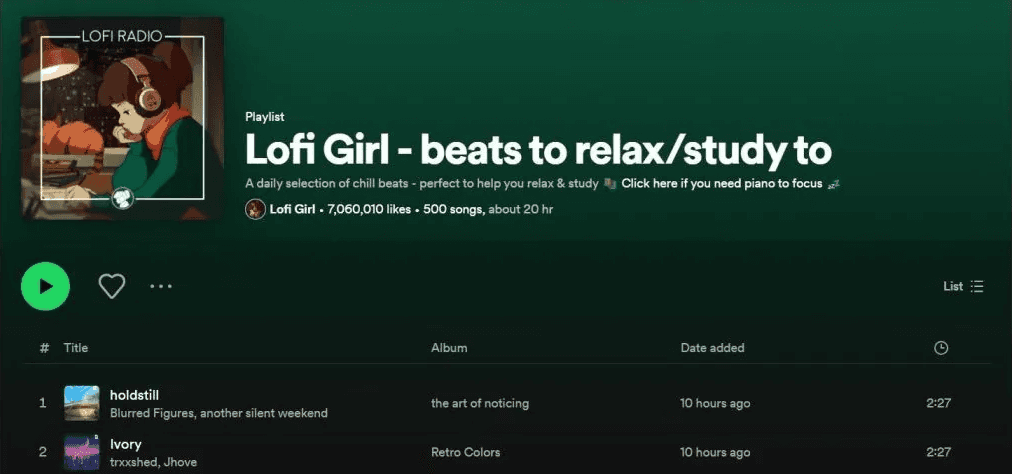
These playlists garner thousands of followers, whilst also allowing artists more flexibility in the number of tracks they can pitch. Though not official Spotify curations, their audience reach and consequential impact are still important for artists to consider.
How to Pitch Your Music to Spotify Playlists
Typically there are two main ways to pitch your music for playlists:
Pitching via Spotify for Artists
Pitching directly to curators
Both ways differentiate in which playlists are targeted, the cost of pitching, and the types of tracks that can be pitched (Example: unreleased tracks or released tracks).
We begin by going direct to the source: Spotify.
Pitching via Spotify for Artists
Pitching via Spotify is the most direct way to get unreleased tracks on Spotify’s editorial and algorithmic playlists. If you’re looking to be on any Discover Weekly, POLLEN, or Mellow Morning—going through Spotify for Artists is the only way to do so.
Typically, artist select their best track from their EP or album, fill out some metadata info, and write a pitch. Not too difficult all said and done, but the process does require some time and thoughtful consideration.
See, probably the hardest part about playlist pitching is selling your track.
You’ve spent all this time creating a project, that it’s easy to think that the music should speak for itself. Unfortunately, it doesn’t work like this. Pitch writing gives you the opportunity to provide context and detail about the track you created and your music.
Think about sharing the stories that went behind creating this project:
Where did the idea for this track come about?
Why did you write / make this track?
Who helped you make it?
Where did you make it?
If there’s an interesting story or deeper personal meaning behind the song, your pitch is the place to share it.
A strong pitch can help your track stand out to Spotify’s editorial team, but it’s only part of the equation. What you include around the pitch matters just as much.
Clear release plans, upcoming press, music video ideas, and active social profiles all help provide context and credibility. It’s also essential to complete the submission form as accurately as possible, especially when it comes to mood, genre, recording type, and location. These details influence where your track is considered for playlist placement.
Once you’ve chosen the right track, shared its story, and submitted all the relevant information, your pitch is ready to go.
From there, one final factor can make a real difference: timing.
When to Pitch Your Music on Spotify for Maximum Playlist Impact
On Spotify, you’ll want to pitch your track at least 7 days before release. By giving the curation team 7 days, your submitted track is automatically eligible for Spotify’s Release Radar playlist, in addition to gaining the possibility of playlist placement for those Editorial playlists we mentioned earlier.
Release Radar is actually a pretty neat feature of pitching your tracks via Spotify.

The playlist algorithmically shares new releases of a listener’s followed artists. Meaning that any Spotify follower of yours will see your pitched track in their Release Radar playlist, if you pitch at least 7 days before release.
But there are two caveats to pitching via Spotify that artists should keep in mind:
Spotify playlist pitching is only available for unreleased music.
Artists are limited to one track per EP or album when pitching.
On top of that, only around 20% of tracks pitched to Spotify are selected for playlist placement.
If you’re looking to pitch already released music, submit multiple tracks, or simply increase your chances of being featured, relying solely on Spotify’s playlist pitching has its limits.
That’s where the second option comes in: pitching your music directly to playlist curators.
Pitching Directly to Independent Curators
Independent playlist curators represent thousands of niche, genre-specific, and audience-driven playlists, that often boast tens of thousands of followers. Think those fan-made playlists from earlier, except with big reach and audience potential.
Since these curators are outside of Spotify’s editorial team, pitching looks a bit different.
You might’ve seen ‘cold emailing’ float around in playlist pitching discussions, but be aware: cold emailing can be quite time-consuming. Though it can be helpful in establishing playlist curator-artist relationships, it’s not ideal for emerging artists with limited time on their hands.
Another way to pitch to user playlists is via social media. Sometimes playlist creators have their socials linked in their bio or playlist description. This makes reaching out via DM easy. If nothing is linked, try searching their username on other socials platforms.
Bonus Tip: Find relevant user playlists by looking in the "Discovered On" section of similar artists
Though it might feel like a lot of work for little reward, the more user playlists you are featured on, the higher your song's popularity will rank. This makes pitching to user playlists a great way to boost streams and trigger DSP algorithms.
These playlists don't need thousands of followers, either. Getting into a few active and niche playlists boosts fan discovery and increases your likelihood of making it into algorithmic Spotify playlists, such as Discover Weekly.
How Playlist Pitching Fits Into a Long-Term Artist Strategy
Of course, as all good things, playlist pitching is best used within a clear, defined strategy.
First, is choosing a playlist pitching option that aligns with your goals.
As we’ve learned, pitching via Spotify for Artists is great for unreleased tracks with high potential and quality. For every new project you’re planning, make sure to pick your best track from the mix, write a compelling pitch, and submit at least 7 days before your planned release date. At the very least, you’ll get a feature on Release Radar—and ideally, something more.

The above image is taken from Spotify for Artists.
Additionally, pitching to independent curators via a curator database is a great choice if you want to highlight already-released tracks, more than one track, or if you don’t have the time to spend on pitch writing or cold emailing.
A combination of both playlist pitching methods is best, as this lets you take advantage of each of their strengths, adjusting as necessary.
Next, is taking a well-rounded approach.
Pay attention to how your audience responds and how your tracks actually perform. Take a look into your insights and feedback. Is Spotify rejecting your tracks from playlist placements? It may be time to adjust your pitch style or shift focus toward independent playlist curators instead of relying solely on editorial placements.
It’s also important not to stop once your pitch is submitted. Try to consistently release tracks to feed algorithmic discovery and share your tracks wherever you can (see next section). Sustainable listener growth rarely comes from one placement alone. It’s built through repetition, testing, and small adjustments over time.
If you want to learn more, we’ve put together a full article on building an effective music strategy as an artist. It provides some inspo for shaping a comprehensive, relevant, and adaptable strategy that supports both your creative vision and long-term career goals.
What to Do After Your Track Gets Added to a Playlist
Once your track lands on a playlist, the work isn’t over. Sharing is a key part of the promotional process that keeps your music in the know.
Some ideas:
Share your tracks across social media channels, tagging the playlist (if featured) and relevant accounts like @spotify, @spotifyforartists, and @winampforartists.
Use track links whenever possible, whether through your custom Winamp website (coming in February 2026) or a link page, and consider supporting the release with digital ads*.
Encourage your listeners to follow your artist profile on Spotify. This helps your streams and growth since all your Spotify followers will automatically receive new releases in their Release Radar.
*p.s. Winamp for Artists offers a digital ad tools within the platform that let artists create and promote tracks on Facebook, Instagram, and TikTok. Learn more in our academy video or sign up today.
Still have questions about how playlist pitching works in practice? We answer some of the most frequently asked questions below.
Playlist Pitching FAQ for Artists
Can I combine Spotify pitching with independent playlist pitching?
Yes! Combining is a great strategy that we recommend for artists. It allows artists to benefit from greater exposure and various types of playlists—from Spotify’s Editorial playlists to independently curated playlists.
Does consistent releasing help with playlisting?
Yes, consistency helps by ensuring you have new tracks to pitch. This is especially relevant for pitching via Spotify for Artists, since you can only pitch unreleased tracks. If you’re looking to get released tracks on playlists, going through independent curators is the way to go.
Does Spotify favor artists who distribute with certain partners?
Nope. Not at all. Spotify doesn’t discriminate playlist pitches with which digital distributor you choose. You can distribute with Winamp for Artists or compare best options for your distribution needs.
Whether you’re independent or signed to a label, playlists can introduce your music to audiences and fans who would never have discovered your music otherwise.
But playlisting is also widely misunderstood.
It’s not a shortcut. It’s not guaranteed. And it’s best used with a combination of effort and strategy.
In this blog post, we’ll break down how playlist pitching actually works in 2025, what types of playlists exist, how to pitch your tracks correctly, and how to combine different promotional strategies for your long-term artist growth.
First, we start with the obvious.
What is Playlist Pitching?
Playlist pitching is the process of submitting your track to Spotify’s editorial team or to independent playlist curators in hopes of being added to their curated playlists.
The goal is simple: place your music in front of listeners that might’ve otherwise been missed or inaccessible.
But what matters isn’t just getting added to any playlist.
You want to be added to playlists specific to your desired audience and release strategy. Are you targeting new listeners or existing? Which tracks do you want to highlight the most? So on and so forth.
When it comes to Spotify, there’s a whole bunch of playlist types on the table. Knowing the different types is essential to understanding where and how you should pitch.
Types of Spotify Playlists Artists Can Pitch To
First up, Editorial Playlists.
Fully created and maintained by Spotify’s editorial team and curated based on music trends and data. Typically, tracks added to these playlists have more to do with data, than the pitch itself. Think: Hot Country or Top 100 Global
Next, Personalized Editorial Playlists.
Still curated by the editorial team, but matched to specific moods or genres. Spotify official, but curated more towards themes. Think: Happy Hits or Coffee Shop Vibes
Third, Algorithmic Playlists.
These playlists are personalized for each Spotify user based on the artists they follow, the genres they like, and what tracks the algorithm thinks the user would enjoy. Typically, these are the easiest playlists for artists to land on because curation is tailored to specific tastes, rather than broader, hand-curated moods.
Think: Discover Weekly, Daily Mix & Release Radar
Of course, there’s also Artist Playlists.
Curated by artists and featured on Spotify artist profiles. Typically a mix of the artist’s music and creative inspirations. A great way to showcase your latest projects.
Finally, Fan Made Playlists.
Made by listeners, fans, and independent playlist curators. These playlists aren’t considered ‘Editorial playlists’ meaning artists must pitch directly to these playlist makers, rather than going through Spotify.
These playlists garner thousands of followers, whilst also allowing artists more flexibility in the number of tracks they can pitch. Though not official Spotify curations, their audience reach and consequential impact are still important for artists to consider.
How to Pitch Your Music to Spotify Playlists
Typically there are two main ways to pitch your music for playlists:
Pitching via Spotify for Artists
Pitching directly to curators
Both ways differentiate in which playlists are targeted, the cost of pitching, and the types of tracks that can be pitched (Example: unreleased tracks or released tracks).
We begin by going direct to the source: Spotify.
Pitching via Spotify for Artists
Pitching via Spotify is the most direct way to get unreleased tracks on Spotify’s editorial and algorithmic playlists. If you’re looking to be on any Discover Weekly, POLLEN, or Mellow Morning—going through Spotify for Artists is the only way to do so.
Typically, artist select their best track from their EP or album, fill out some metadata info, and write a pitch. Not too difficult all said and done, but the process does require some time and thoughtful consideration.
See, probably the hardest part about playlist pitching is selling your track.
You’ve spent all this time creating a project, that it’s easy to think that the music should speak for itself. Unfortunately, it doesn’t work like this. Pitch writing gives you the opportunity to provide context and detail about the track you created and your music.
Think about sharing the stories that went behind creating this project:
Where did the idea for this track come about?
Why did you write / make this track?
Who helped you make it?
Where did you make it?
If there’s an interesting story or deeper personal meaning behind the song, your pitch is the place to share it.
A strong pitch can help your track stand out to Spotify’s editorial team, but it’s only part of the equation. What you include around the pitch matters just as much.
Clear release plans, upcoming press, music video ideas, and active social profiles all help provide context and credibility. It’s also essential to complete the submission form as accurately as possible, especially when it comes to mood, genre, recording type, and location. These details influence where your track is considered for playlist placement.
Once you’ve chosen the right track, shared its story, and submitted all the relevant information, your pitch is ready to go.
From there, one final factor can make a real difference: timing.
When to Pitch Your Music on Spotify for Maximum Playlist Impact
On Spotify, you’ll want to pitch your track at least 7 days before release. By giving the curation team 7 days, your submitted track is automatically eligible for Spotify’s Release Radar playlist, in addition to gaining the possibility of playlist placement for those Editorial playlists we mentioned earlier.
Release Radar is actually a pretty neat feature of pitching your tracks via Spotify.
The playlist algorithmically shares new releases of a listener’s followed artists. Meaning that any Spotify follower of yours will see your pitched track in their Release Radar playlist, if you pitch at least 7 days before release.
But there are two caveats to pitching via Spotify that artists should keep in mind:
Spotify playlist pitching is only available for unreleased music.
Artists are limited to one track per EP or album when pitching.
On top of that, only around 20% of tracks pitched to Spotify are selected for playlist placement.
If you’re looking to pitch already released music, submit multiple tracks, or simply increase your chances of being featured, relying solely on Spotify’s playlist pitching has its limits.
That’s where the second option comes in: pitching your music directly to playlist curators.
Pitching Directly to Independent Curators
Independent playlist curators represent thousands of niche, genre-specific, and audience-driven playlists, that often boast tens of thousands of followers. Think those fan-made playlists from earlier, except with big reach and audience potential.
Since these curators are outside of Spotify’s editorial team, pitching looks a bit different.
You might’ve seen ‘cold emailing’ float around in playlist pitching discussions, but be aware: cold emailing can be quite time-consuming. Though it can be helpful in establishing playlist curator-artist relationships, it’s not ideal for emerging artists with limited time on their hands.
Another way to pitch to user playlists is via social media. Sometimes playlist creators have their socials linked in their bio or playlist description. This makes reaching out via DM easy. If nothing is linked, try searching their username on other socials platforms.
Bonus Tip: Find relevant user playlists by looking in the "Discovered On" section of similar artists
Though it might feel like a lot of work for little reward, the more user playlists you are featured on, the higher your song's popularity will rank. This makes pitching to user playlists a great way to boost streams and trigger DSP algorithms.
These playlists don't need thousands of followers, either. Getting into a few active and niche playlists boosts fan discovery and increases your likelihood of making it into algorithmic Spotify playlists, such as Discover Weekly.
How Playlist Pitching Fits Into a Long-Term Artist Strategy
Of course, as all good things, playlist pitching is best used within a clear, defined strategy.
First, is choosing a playlist pitching option that aligns with your goals.
As we’ve learned, pitching via Spotify for Artists is great for unreleased tracks with high potential and quality. For every new project you’re planning, make sure to pick your best track from the mix, write a compelling pitch, and submit at least 7 days before your planned release date. At the very least, you’ll get a feature on Release Radar—and ideally, something more.
The above image is taken from Spotify for Artists.
Additionally, pitching to independent curators via a curator database is a great choice if you want to highlight already-released tracks, more than one track, or if you don’t have the time to spend on pitch writing or cold emailing.
A combination of both playlist pitching methods is best, as this lets you take advantage of each of their strengths, adjusting as necessary.
Next, is taking a well-rounded approach.
Pay attention to how your audience responds and how your tracks actually perform. Take a look into your insights and feedback. Is Spotify rejecting your tracks from playlist placements? It may be time to adjust your pitch style or shift focus toward independent playlist curators instead of relying solely on editorial placements.
It’s also important not to stop once your pitch is submitted. Try to consistently release tracks to feed algorithmic discovery and share your tracks wherever you can (see next section). Sustainable listener growth rarely comes from one placement alone. It’s built through repetition, testing, and small adjustments over time.
If you want to learn more, we’ve put together a full article on building an effective music strategy as an artist. It provides some inspo for shaping a comprehensive, relevant, and adaptable strategy that supports both your creative vision and long-term career goals.
What to Do After Your Track Gets Added to a Playlist
Once your track lands on a playlist, the work isn’t over. Sharing is a key part of the promotional process that keeps your music in the know.
Some ideas:
Share your tracks across social media channels, tagging the playlist (if featured) and relevant accounts like @spotify, @spotifyforartists, and @winampforartists.
Use track links whenever possible, whether through your custom Winamp website (coming in February 2026) or a link page, and consider supporting the release with digital ads*.
Encourage your listeners to follow your artist profile on Spotify. This helps your streams and growth since all your Spotify followers will automatically receive new releases in their Release Radar.
*p.s. Winamp for Artists offers a digital ad tools within the platform that let artists create and promote tracks on Facebook, Instagram, and TikTok. Learn more in our academy video or sign up today.
Still have questions about how playlist pitching works in practice? We answer some of the most frequently asked questions below.
Playlist Pitching FAQ for Artists
Can I combine Spotify pitching with independent playlist pitching?
Yes! Combining is a great strategy that we recommend for artists. It allows artists to benefit from greater exposure and various types of playlists—from Spotify’s Editorial playlists to independently curated playlists.
Does consistent releasing help with playlisting?
Yes, consistency helps by ensuring you have new tracks to pitch. This is especially relevant for pitching via Spotify for Artists, since you can only pitch unreleased tracks. If you’re looking to get released tracks on playlists, going through independent curators is the way to go.
Does Spotify favor artists who distribute with certain partners?
Nope. Not at all. Spotify doesn’t discriminate playlist pitches with which digital distributor you choose. You can distribute with Winamp for Artists or compare best options for your distribution needs.
Share on:

Simplify your music journey with tools to release your music, monetize it, and engage with fans.
Join Winamp for Creators