How to Turn Streams into Fans: Music Distribution for Growing Artists
How to Turn Streams into Fans: Music Distribution for Growing Artists
Releasing music but not growing? Convert passive listeners into loyal fans with smarter distribution.
We hear it all the time.
Artists are releasing more music than ever, yet streams still feel underwhelming. Your music is strong, but real growth isn’t there.
The missing piece is learning how to turn attention into loyal fans and sustainable income.
This means using distribution not as a growth lever, but as a foundation where your future success can be built. Converting streams to fans is easier once you understand what's holding you back and how to use audience touch points to your advantage.
Common Music Distribution Myths That Hold Artists Back
The good news is you’re not alone.
Misconceptions about music distribution and artist growth are widespread. Before changing your strategy, the first step is understanding which assumptions about releasing music may be holding you back.
Misconception #1: “More Releases = More Growth”
Fortunately (or unfortunately), releases and growth aren’t linear. Unless you’re A$AP Rocky, releasing music consistently remains important for keeping your music fresh in people’s minds—however, consistency by itself doesn't result in growth.
Balance quality content with quantity content to create a solid groundwork for your growth, without relying on your releases themselves to create exposure.
Misconception #2: “I just need better songs… Fans will come if the quality is there.”
Quality matters. It’s tough to make it big with sh** music.
BUT, quality music alone can’t create sustainable growth for your artist career. The music industry, for better or for worse, is a lot more political than just music. Your artist branding, your strategy, your team, and the tools you use to promote, grow, and earn matter a whole lot too.
Know that your music is quality. Continue striving for quality. But to grow, your music needs to be supported by a realistic strategy that goes beyond quality alone.
Misconception #3: “Once I distribute, there’s nothing I can do.”
If you take anything away from this article, have it be this: There is always something you can do for your music.
Whether it’s shamelessly plugging your releases on social media, DM’ing playlist curator after playlist curator, or placing QR codes on city trash cans (yes, this is real)— your music strategy doesn’t end at distribution.
In today’s music industry, distribution isn’t the end… It’s the start.
It’s completely understandable that artists see distribution as the finish line. After months of creating, writing, and refining your music, release day is the moment your creativity is finally shared with the world.
But distribution isn’t designed to create growth on its own. It’s designed to make growth possible.
A good way to think about this:
“Distribution without optimization is like uploading a video to YouTube with no title, no thumbnail, no tags, and expecting it to go viral.” - Air Media Tech.
Distribution plays an critical role in your artist journey, but it also has clear limitations. These limitations require you to think strategically about your distribution strategy pre- and post-release.
How Distribution Helps Artists Grow (And How it Doesn’t)
Distribution does one thing really well: It gets your music on major streaming platforms and helps you reach new audiences of listeners that might’ve been completely inaccessible.
Digital distributors also ensure your music meets quality and metadata standards—helping your releases sound great and ensuring proper compensation for plays.
Unless you’ve been blessed by the magical music money fairy, you’re most likely like the rest of us—trying to make a living from our music. Compensation from distribution matters, especially for artists with high stream counts.
Most digital distributors only collect master right royalties; but Winamp for Artists collects both master right and copyright royalties—an additional source of revenue for artists working on the production or composition of tracks.
Ensuring your distributor of choice collects all your royalty revenues and aligns with your artist goals is therefore essential.
Why Streaming Income Falls Short for Most Artists
Unfortunately, not all of us making music have the stream counts to justify distribution alone as an income source. The depressing truth is well-known among artists: DSP compensation per stream is laughably low.
Getting your music out in the world is a good first step for artists, but it’s just that: a first step. Sustainable artist growth begins by converting streams into loyal fans and leveraging distribution as a foundation for future growth.
Building a Distribution Strategy for Long-term Success
Turning Passive Streams into Loyal Fans
For artists gaining listens, but not loyalty, the problem isn’t your music. Rather, it’s about how frequently you are connecting with your audience.
These connections are your artist touch points—contact moments between your listeners and your music that foster recognition and loyalty in the long-run. In other words, fan connection through both online and offline channels. Increasing these moments turns casual listeners into supporters who care about you and your music.
Converting streams into fans begins with three basic principles:
Completeness
Consistency and authenticity
Exclusivity
1. Fully Completed Spotify Profile.
Your DSP profile is typically listeners’ first impression of you. How you shape your artist story, your tone of voice, and even the imagery you choose, creates an initial impression in listeners’ minds. This is touchpoint #1.
Provide links to your socials (IG, TikTok), include upcoming concerts, and link your artist website, if you have one. You might even try creating public playlists with your releases or adding small notes for profile visitors, particularly on Spotify.
Artist Sorvina does a great job at this.
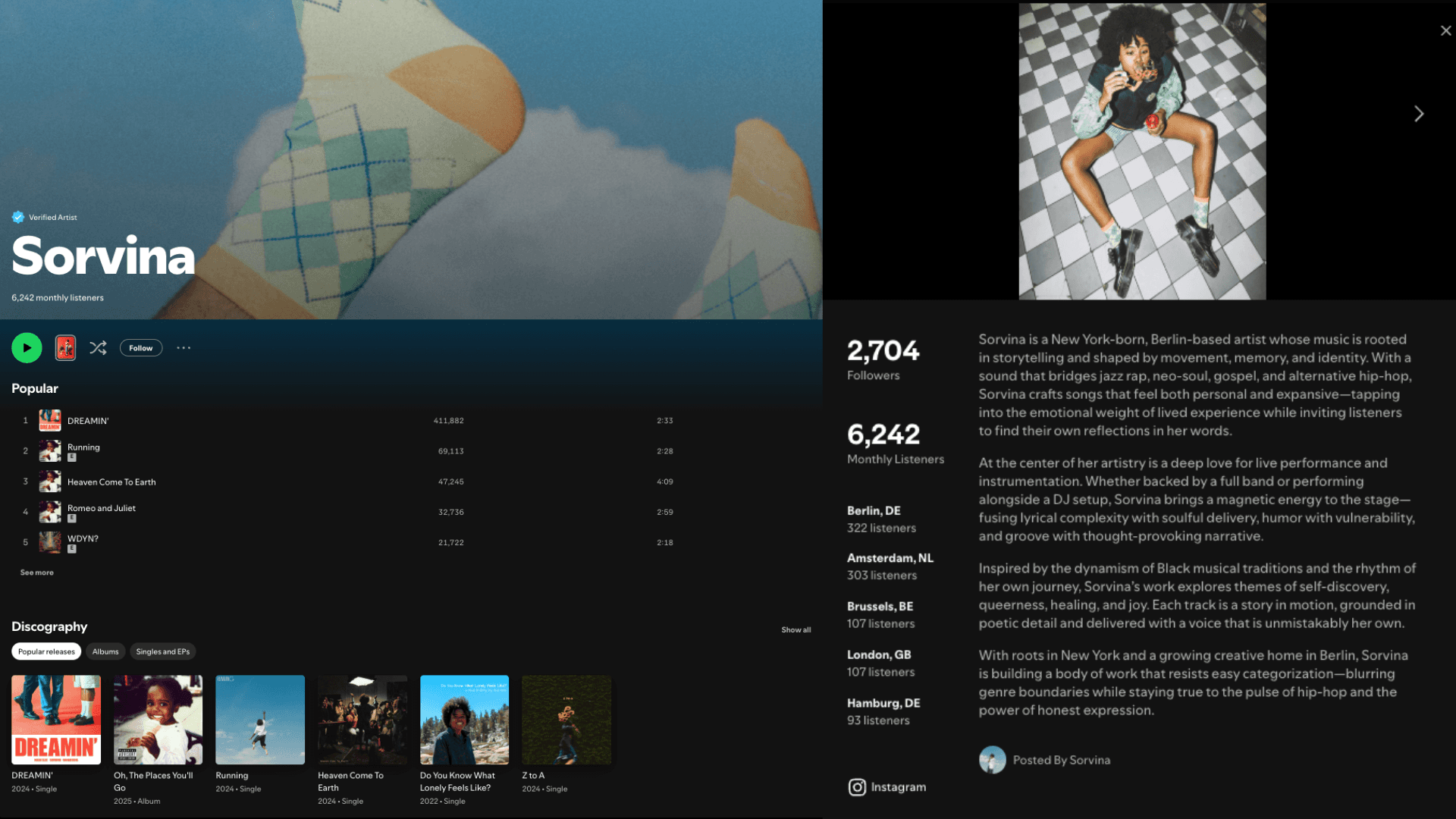
Think of it this way: Profile visits equal interest. An incomplete profile forfeits this interest, giving up the opportunity for a curious listener to become a fan. Try to highlight your artist authenticity throughout your profile to give visitors a glimpse into who you are.
2. Consistent and Authentic Social Media.
Social media is a huge touch point for transforming listeners from passive to personal. As more people become connected via socials, more artists are building communities in the same way.
To use social media as a touch point effectively, prioritize consistency and engagement.
Post regularly, see what performs well, and keep a coherent visual and artist identity across platforms. Engagement is a win-win all around. It improves your audience reach and builds a greater connection with the followers you do have.
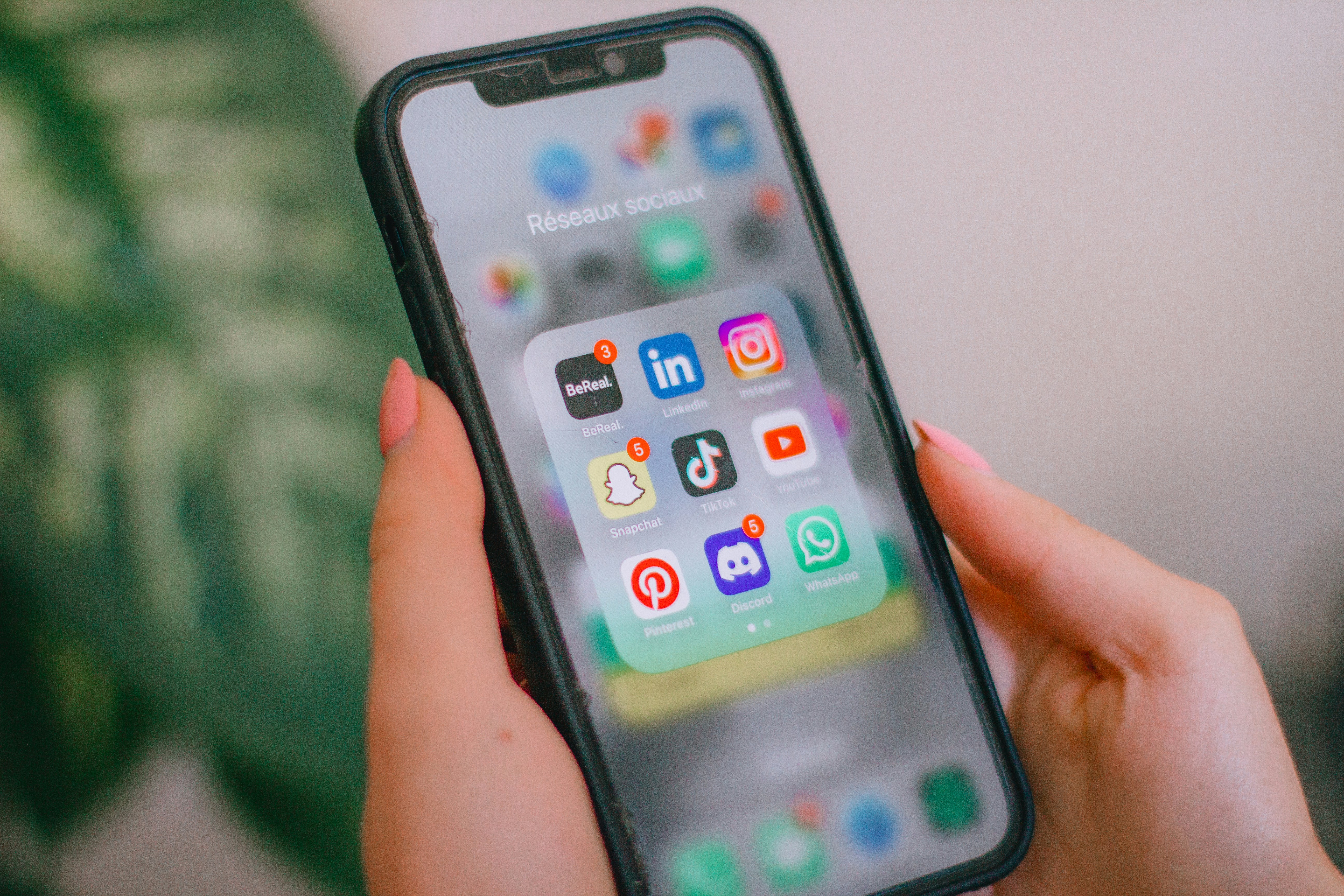
But just because you’re active on social media doesn’t mean you need to jump onto every new platform.
Though Instagram and TikTok have their merit for artist growth, social media strategies aren’t one-size-fits-all. Ideally, choose the platform you feel most comfortable with and where your listeners are most active.
Artist Ideas to Connect with Fans Online:
Respond to or interact with commenters
Do polls or an “Ask me Anything” day to react to fan questions
Create a membership-only fan space
Answer DMs
Express gratitude for your listeners and for small successes
This isn’t salesy, nor selfish. Your efforts should give interest to those who have shown interest in you. Use social media as a touch point for a consistent, personal connection between your music and your fans.
3. Create a “Home Base” for Fans Beyond Streaming Platforms
Of course, touch points can also be internal—think: your artist website, your mailing list, or a membership-platform for fans. These are home bases where you control the narrative and experience of your soon-to-be (or already-existing) fans.
Let’s take your artist website.
One customizable place to share your artist story, announce shows, sell merch, and showcase released music. Align your website to your music goals and use interactive elements, such as an integrated membership fan space, to create a stronger connection between your music and your listeners.
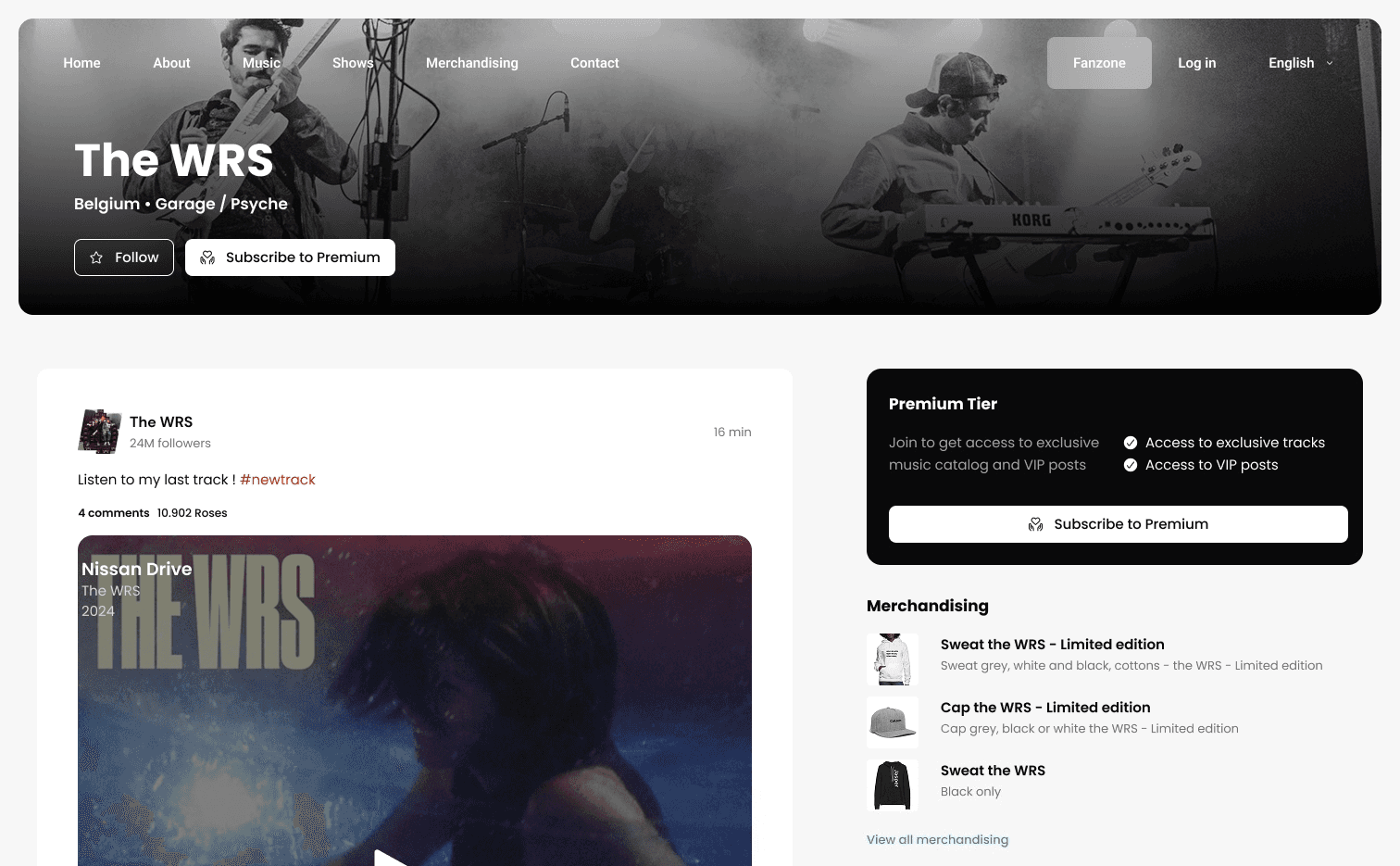
Owned Fan Spaces for Long-Term Artist Growth
For artists looking to create communities of loyal fans while monetizing their support, check out customizable fan spaces, such as Winamp for Artist’s Fanzone. The Fanzone lets artists directly earn from loyal listeners.
Fans join your exclusive community, completely customized to your preferences to match your style and audience. Turning fan engagement into real, direct support. Monetizing your artist website via fans (and merch!) is possible with the right tools. Prioritizing all three steps to building a long-term distribution strategy is the cornerstone of any successful growth plan.
Distributing More Music Isn’t the Answer, Strategy Is.
Making it in the music industry is a constant back and forth between understanding core industry principles and experimenting with what works for your audience and art. Distribution is no different.
A Simple Checklist to Turn Streams Into Real Artist Growth
Don’t fall victim to common distribution misconceptions
Prioritize quality touch points between your music and your audience
Be complete and thorough in your DSP profiles
Show up consistently and authentically in the mediums where your listeners are
Create a home base for loyal fans to directly support your music (ex: Winamp for Artists Fanzone)
Using consistent distribution in tandem with these principles creates a solid foundation for your long-term artist growth.
We hear it all the time.
Artists are releasing more music than ever, yet streams still feel underwhelming. Your music is strong, but real growth isn’t there.
The missing piece is learning how to turn attention into loyal fans and sustainable income.
This means using distribution not as a growth lever, but as a foundation where your future success can be built. Converting streams to fans is easier once you understand what's holding you back and how to use audience touch points to your advantage.
Common Music Distribution Myths That Hold Artists Back
The good news is you’re not alone.
Misconceptions about music distribution and artist growth are widespread. Before changing your strategy, the first step is understanding which assumptions about releasing music may be holding you back.
Misconception #1: “More Releases = More Growth”
Fortunately (or unfortunately), releases and growth aren’t linear. Unless you’re A$AP Rocky, releasing music consistently remains important for keeping your music fresh in people’s minds—however, consistency by itself doesn't result in growth.
Balance quality content with quantity content to create a solid groundwork for your growth, without relying on your releases themselves to create exposure.
Misconception #2: “I just need better songs… Fans will come if the quality is there.”
Quality matters. It’s tough to make it big with sh** music.
BUT, quality music alone can’t create sustainable growth for your artist career. The music industry, for better or for worse, is a lot more political than just music. Your artist branding, your strategy, your team, and the tools you use to promote, grow, and earn matter a whole lot too.
Know that your music is quality. Continue striving for quality. But to grow, your music needs to be supported by a realistic strategy that goes beyond quality alone.
Misconception #3: “Once I distribute, there’s nothing I can do.”
If you take anything away from this article, have it be this: There is always something you can do for your music.
Whether it’s shamelessly plugging your releases on social media, DM’ing playlist curator after playlist curator, or placing QR codes on city trash cans (yes, this is real)— your music strategy doesn’t end at distribution.
In today’s music industry, distribution isn’t the end… It’s the start.
It’s completely understandable that artists see distribution as the finish line. After months of creating, writing, and refining your music, release day is the moment your creativity is finally shared with the world.
But distribution isn’t designed to create growth on its own. It’s designed to make growth possible.
A good way to think about this:
“Distribution without optimization is like uploading a video to YouTube with no title, no thumbnail, no tags, and expecting it to go viral.” - Air Media Tech.
Distribution plays an critical role in your artist journey, but it also has clear limitations. These limitations require you to think strategically about your distribution strategy pre- and post-release.
How Distribution Helps Artists Grow (And How it Doesn’t)
Distribution does one thing really well: It gets your music on major streaming platforms and helps you reach new audiences of listeners that might’ve been completely inaccessible.
Digital distributors also ensure your music meets quality and metadata standards—helping your releases sound great and ensuring proper compensation for plays.
Unless you’ve been blessed by the magical music money fairy, you’re most likely like the rest of us—trying to make a living from our music. Compensation from distribution matters, especially for artists with high stream counts.
Most digital distributors only collect master right royalties; but Winamp for Artists collects both master right and copyright royalties—an additional source of revenue for artists working on the production or composition of tracks.
Ensuring your distributor of choice collects all your royalty revenues and aligns with your artist goals is therefore essential.
Why Streaming Income Falls Short for Most Artists
Unfortunately, not all of us making music have the stream counts to justify distribution alone as an income source. The depressing truth is well-known among artists: DSP compensation per stream is laughably low.
Getting your music out in the world is a good first step for artists, but it’s just that: a first step. Sustainable artist growth begins by converting streams into loyal fans and leveraging distribution as a foundation for future growth.
Building a Distribution Strategy for Long-term Success
Turning Passive Streams into Loyal Fans
For artists gaining listens, but not loyalty, the problem isn’t your music. Rather, it’s about how frequently you are connecting with your audience.
These connections are your artist touch points—contact moments between your listeners and your music that foster recognition and loyalty in the long-run. In other words, fan connection through both online and offline channels. Increasing these moments turns casual listeners into supporters who care about you and your music.
Converting streams into fans begins with three basic principles:
Completeness
Consistency and authenticity
Exclusivity
1. Fully Completed Spotify Profile.
Your DSP profile is typically listeners’ first impression of you. How you shape your artist story, your tone of voice, and even the imagery you choose, creates an initial impression in listeners’ minds. This is touchpoint #1.
Provide links to your socials (IG, TikTok), include upcoming concerts, and link your artist website, if you have one. You might even try creating public playlists with your releases or adding small notes for profile visitors, particularly on Spotify.
Artist Sorvina does a great job at this.
Think of it this way: Profile visits equal interest. An incomplete profile forfeits this interest, giving up the opportunity for a curious listener to become a fan. Try to highlight your artist authenticity throughout your profile to give visitors a glimpse into who you are.
2. Consistent and Authentic Social Media.
Social media is a huge touch point for transforming listeners from passive to personal. As more people become connected via socials, more artists are building communities in the same way.
To use social media as a touch point effectively, prioritize consistency and engagement.
Post regularly, see what performs well, and keep a coherent visual and artist identity across platforms. Engagement is a win-win all around. It improves your audience reach and builds a greater connection with the followers you do have.
But just because you’re active on social media doesn’t mean you need to jump onto every new platform.
Though Instagram and TikTok have their merit for artist growth, social media strategies aren’t one-size-fits-all. Ideally, choose the platform you feel most comfortable with and where your listeners are most active.
Artist Ideas to Connect with Fans Online:
Respond to or interact with commenters
Do polls or an “Ask me Anything” day to react to fan questions
Create a membership-only fan space
Answer DMs
Express gratitude for your listeners and for small successes
This isn’t salesy, nor selfish. Your efforts should give interest to those who have shown interest in you. Use social media as a touch point for a consistent, personal connection between your music and your fans.
3. Create a “Home Base” for Fans Beyond Streaming Platforms
Of course, touch points can also be internal—think: your artist website, your mailing list, or a membership-platform for fans. These are home bases where you control the narrative and experience of your soon-to-be (or already-existing) fans.
Let’s take your artist website.
One customizable place to share your artist story, announce shows, sell merch, and showcase released music. Align your website to your music goals and use interactive elements, such as an integrated membership fan space, to create a stronger connection between your music and your listeners.
Owned Fan Spaces for Long-Term Artist Growth
For artists looking to create communities of loyal fans while monetizing their support, check out customizable fan spaces, such as Winamp for Artist’s Fanzone. The Fanzone lets artists directly earn from loyal listeners.
Fans join your exclusive community, completely customized to your preferences to match your style and audience. Turning fan engagement into real, direct support. Monetizing your artist website via fans (and merch!) is possible with the right tools. Prioritizing all three steps to building a long-term distribution strategy is the cornerstone of any successful growth plan.
Distributing More Music Isn’t the Answer, Strategy Is.
Making it in the music industry is a constant back and forth between understanding core industry principles and experimenting with what works for your audience and art. Distribution is no different.
A Simple Checklist to Turn Streams Into Real Artist Growth
Don’t fall victim to common distribution misconceptions
Prioritize quality touch points between your music and your audience
Be complete and thorough in your DSP profiles
Show up consistently and authentically in the mediums where your listeners are
Create a home base for loyal fans to directly support your music (ex: Winamp for Artists Fanzone)
Using consistent distribution in tandem with these principles creates a solid foundation for your long-term artist growth.
Share on:
Simplify your music journey with tools to release your music, monetize it, and engage with fans.
Join Winamp for Creators